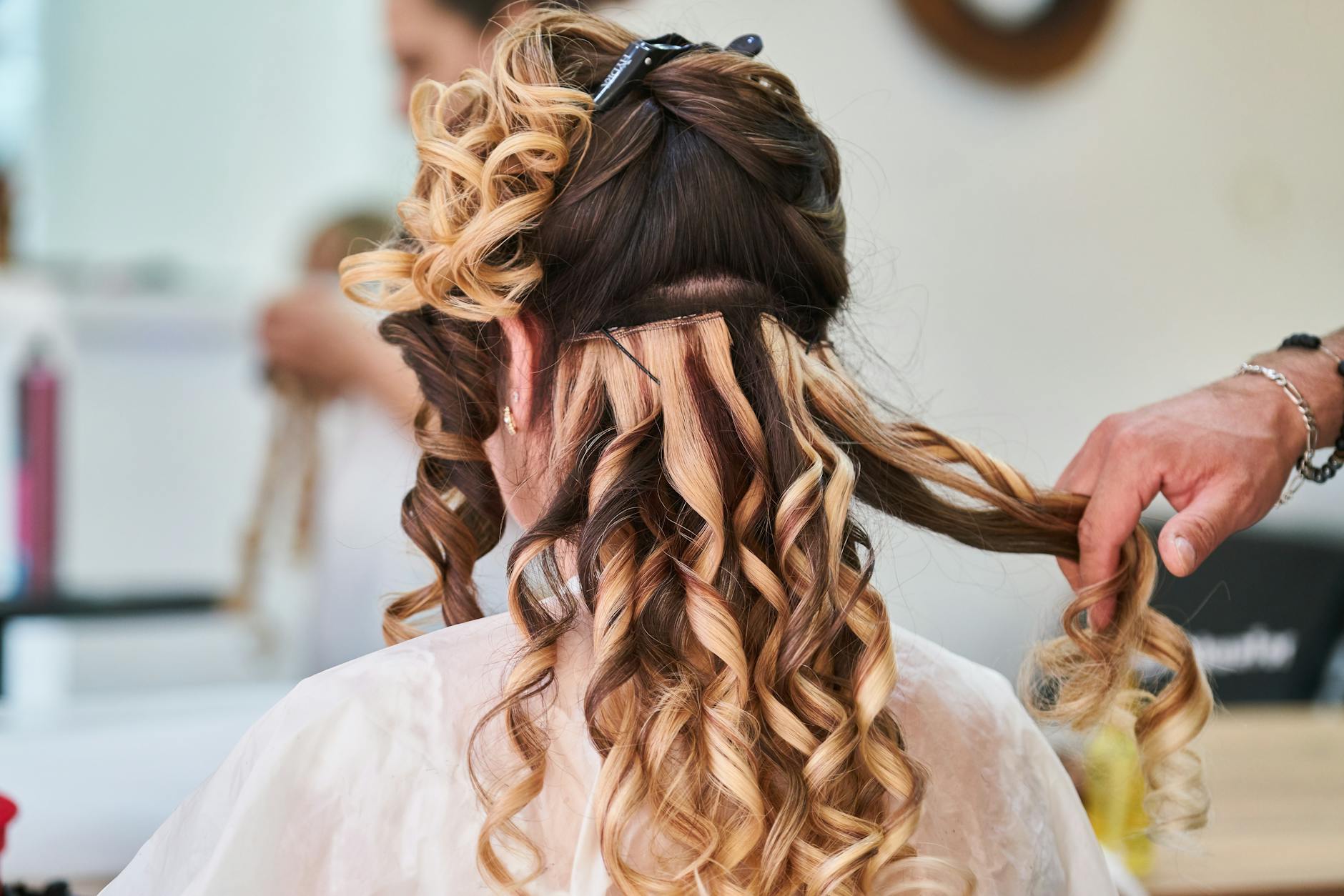
SMS Rebooking Sequences That Rescue Ghost Clients and Fill Your Extension Chair
Client ghosting after an extension install is the most predictable revenue leak in a specialist's business, and it almost never happens because the client was unhappy. Most extension clients who stop rebooking do so because life got busy and nobody followed up at the right moment. An SMS rebooking sequence that fires automatically based on appointment age does not require you to remember to follow up. It requires you to build it once. Here is the exact sequence structure that works, including message timing, phrasing that books appointments rather than just getting read, and where your booking system should automate the delivery.
Why Ghost Clients Are Almost Always a Follow-Up Gap, Not a Satisfaction Gap
The data on extension client attrition is consistent across booking systems: according to hair extension business tracking data, the majority of clients who do not rebook after a six-month gap are still wearing extensions from another stylist, not avoiding extensions entirely. They switched because the rebooking friction was lower somewhere else, not because their result disappointed them. A competitor sent a follow-up at the right moment; you did not.
The typical ghost-client window opens at ten weeks after the last appointment. That is when a client who did not rebook at her last appointment starts to look for her next stylist. An SMS that lands at week eight, before she starts that search, puts you at the front of the conversation. An SMS that lands at week twelve lands after she has already booked elsewhere.
This is why timing matters more than message copy. A mediocre message at the right time will outperform a well-written message at the wrong time. The sequence below is optimized for both, but if you can only do one thing, implement the timing first.
The Core Rebooking Sequence: Three Messages, Three Windows
This sequence runs automatically starting at the client's last appointment date. Build it once in your booking system and it operates without your involvement.
Message 1 — Week 7 to 8 (The Maintenance Reminder)
Send this when the client's hair is due for a move-up but before she has started actively searching. The frame is maintenance, not rebooking. This message performs better when it references the specific service the client had last time.
Example: "Hi [First Name] — your extensions are coming up on the 8-week mark, which is when most clients start to notice the natural grow-out. If you want to get your move-up scheduled before things fill up, reply here and I will send you available times."
Why this works: it is proactive, specific to her, and frames the urgency around her hair quality rather than your calendar. The call to action is low-friction — reply rather than click a link.
Message 2 — Week 10 to 11 (The Direct Ask)
If Message 1 was not responded to, send a shorter, more direct follow-up. Clients who did not respond to the maintenance framing need a different angle. This message is lighter.
Example: "Hey [First Name] — just checking in on your extensions. Do you want to grab a time this month for your move-up? I have some availability next week."
Why this works: no preamble, no explanation. It is person to person, not system to client. The brevity reads as natural rather than automated, which matters in SMS. "Next week" creates a soft deadline without pressure.
Message 3 — Week 14 to 16 (The Reactivation Message)
This message goes to clients who have not responded to the first two. They are either fully lapsed or actively searching for a stylist. The frame shifts from maintenance reminder to genuine reconnect.
Example: "Hi [First Name] — I noticed it has been a while since your last extension appointment. If you are still wearing extensions and need a specialist, I have been reserving time for returning clients. Send me a message and I will find you a spot that works."
Why this works: "still wearing extensions" acknowledges the realistic possibility without accusation. "Reserving time for returning clients" creates low-level social value without being pushy. The response rate on this message is lower than the first two but still produces bookings from clients who genuinely meant to rebook and never got around to it.
What to Do When They Reply But Do Not Book
The most common drop-off point in a rebooking sequence is the reply that does not convert. A client responds "yes I need to come in soon" and then goes silent when you send availability. This is the second most predictable revenue gap after the initial ghost-client window, and it has a straightforward fix: do not send availability as a list. Send one or two specific options.
"I have Tuesday at 2pm and Thursday at 11am — which works better for you?" converts at a higher rate than "here are my available times this week" followed by a calendar link. The decision load is different. A client who has been busy enough to let her hair grow out for twelve weeks is also busy enough that a link requiring her to open a new app and select from a full calendar creates enough friction to lose the booking.
Two options, a question, and a short sentence about what to expect at the appointment is the complete conversion message. "Tuesday at 2pm or Thursday at 11am? I will plan for a full move-up — takes about 90 minutes." That is it. Everything else is friction.
Setting Up Automated SMS in HP360
Hair Pro 360's rebooking automation triggers from appointment date, not from a manual list. The sequence setup in HP360 connects to each client record and fires based on days since last appointment. Here is the setup path:
- In your HP360 dashboard, navigate to Automations and select "Client Rebooking Sequences"
- Create a new sequence and set the trigger to "Days since last appointment"
- Add Message 1 at day 49 to 56 (7 to 8 weeks), Message 2 at day 70 to 77 (10 to 11 weeks), Message 3 at day 98 to 112 (14 to 16 weeks)
- Set the sequence to stop when the client books a new appointment, so they do not receive follow-up messages after they have already responded
- Test with your own phone number before activating for your client list
The stop-on-booking rule is the critical step most stylists miss when building their first automated sequence. A client who responds to Message 1 and books an appointment should receive zero subsequent messages in the sequence. Failing to set this up sends a follow-up message to a client who just scheduled, which reads as disorganized and reduces trust in your booking system. The HP360 automation setup includes stop conditions as a standard field in the sequence builder.
The Metrics That Tell You the Sequence Is Working
Track two numbers to know whether your rebooking sequence is producing results. The first is reactivation rate: what percentage of clients who received Message 1 made an appointment within 30 days. A functional sequence in a healthy practice should reactivate 25 to 40 percent of due clients from the first message alone. Below 20 percent means either the timing is off, the phrasing is too promotional, or your client list has too many contacts who were never strong clients to begin with.
The second metric is the lapse prevention rate: what percentage of your active client base rebooking within 10 weeks of their last appointment (before they enter the ghost-client window at all). A high lapse prevention rate means your in-appointment rebooking and reminder systems are working before the sequence even fires. The SMS sequence is the backstop for the clients who slipped through. If your lapse prevention rate is below 50 percent, invest in your checkout rebooking process first. The sequence will work harder and cost less when fewer clients are entering the ghost-client window to begin with.
Frequently Asked Questions
How do I handle clients who explicitly tell me they are no longer getting extensions?
Mark them inactive in your client list and remove them from the rebooking sequence immediately. Continuing to send rebooking messages to clients who have communicated they have stopped wearing extensions is the fastest way to lose them as a potential referral source. The correct response when a client tells you she is taking a break: acknowledge it, wish her well, and add a note to their record. If she returns in six months, she will feel remembered rather than spammed.
Is it worth sending a rebooking message to clients who lapsed more than six months ago?
Yes, but with a different framing. Clients who lapsed six to twelve months ago are in the consideration phase for either returning or choosing a different stylist. The Message 3 framing above works well for this window. For clients who lapsed more than 12 months ago, a one-time "we would love to have you back" message with a concrete offer, such as a complimentary consultation or a complementary toner service with their next install, performs better than a maintenance reminder that implies they should have returned sooner.
What compliance rules apply to SMS marketing in the US?
The Telephone Consumer Protection Act (TCPA) requires express written consent before sending marketing SMS messages. The safest path: include a consent checkbox in your client intake form that specifically authorizes SMS appointment reminders and rebooking communications. Keep records of that consent. HP360's client intake form includes a TCPA-compliant consent field that timestamps and logs consent at intake. Do not add existing clients to an SMS sequence without confirming consent was captured at the time they provided their phone number.